Park overview
This park is divided into a separate campground and day-use area and is located 14 km west of Gibsons and 12 km south of Sechelt.
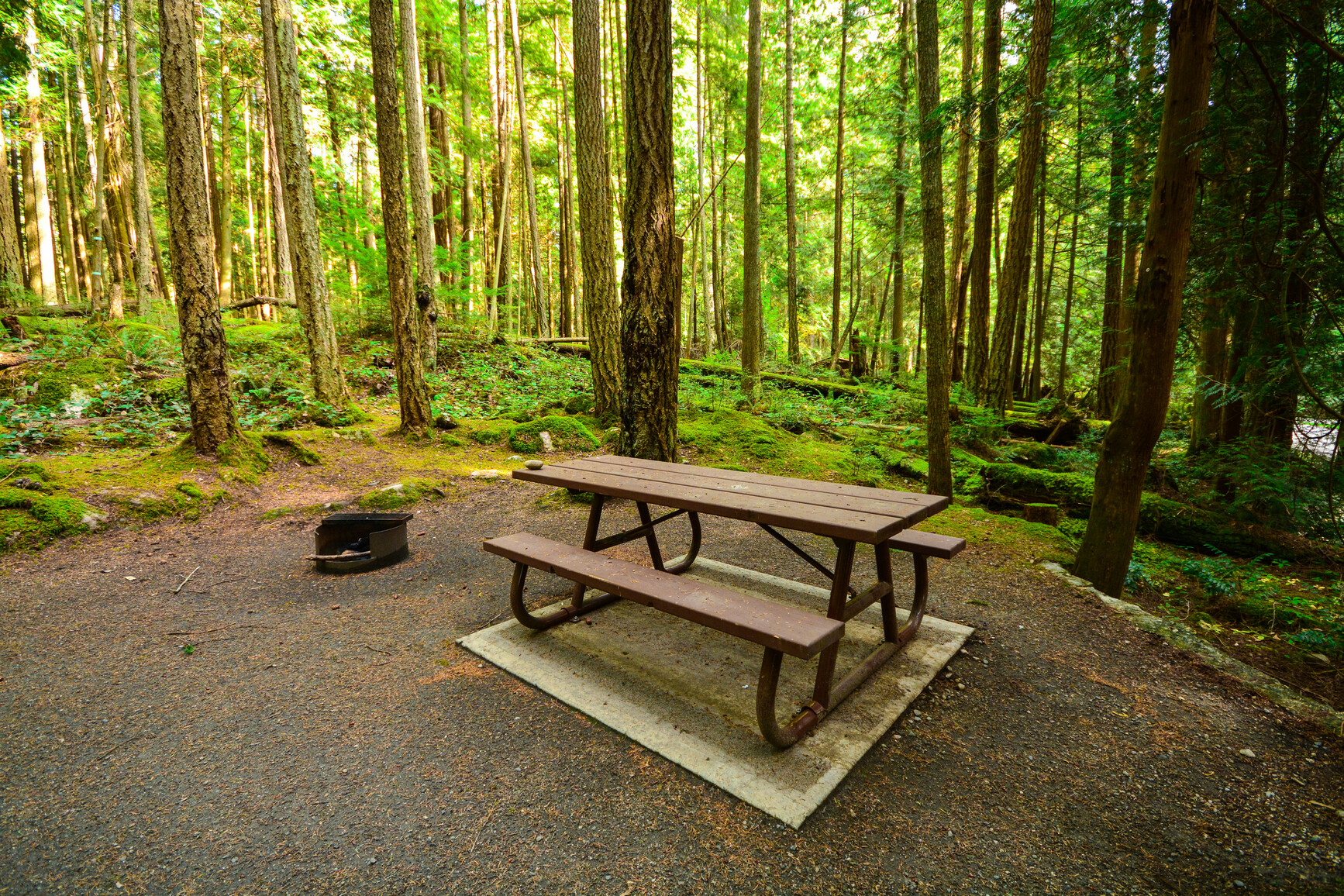
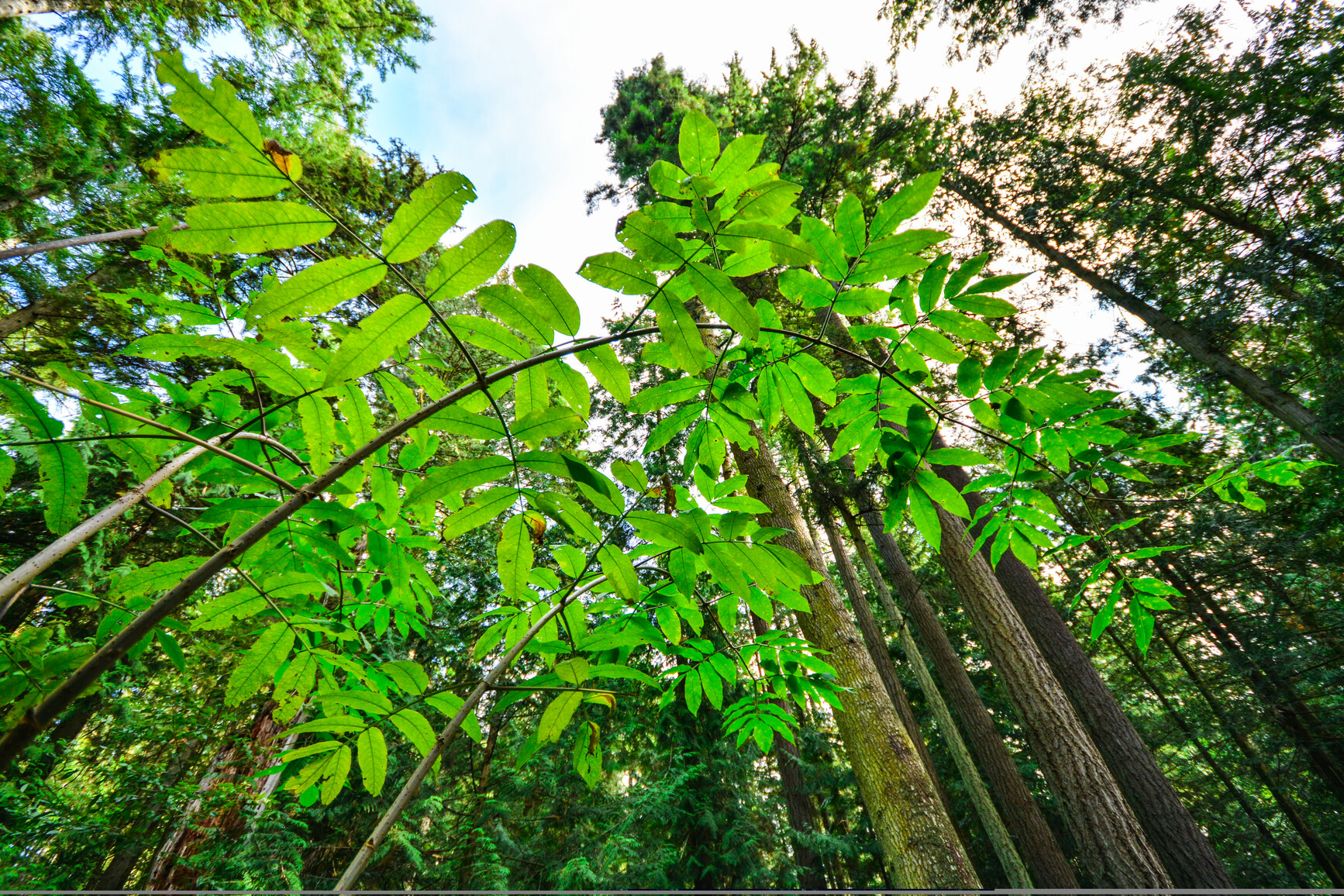
The camping area is located in forest of large cedars, Douglas fir and Hemlock trees.
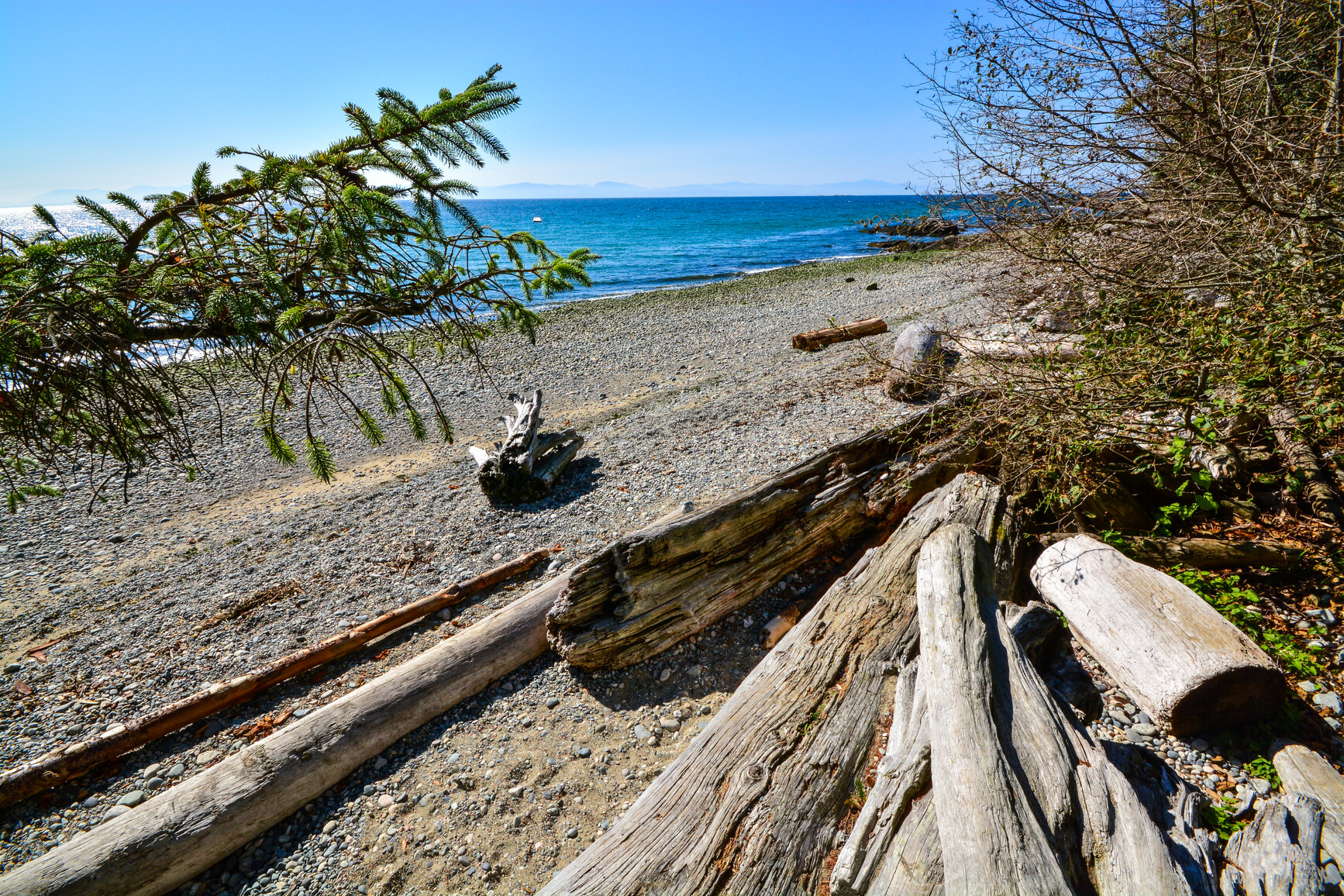
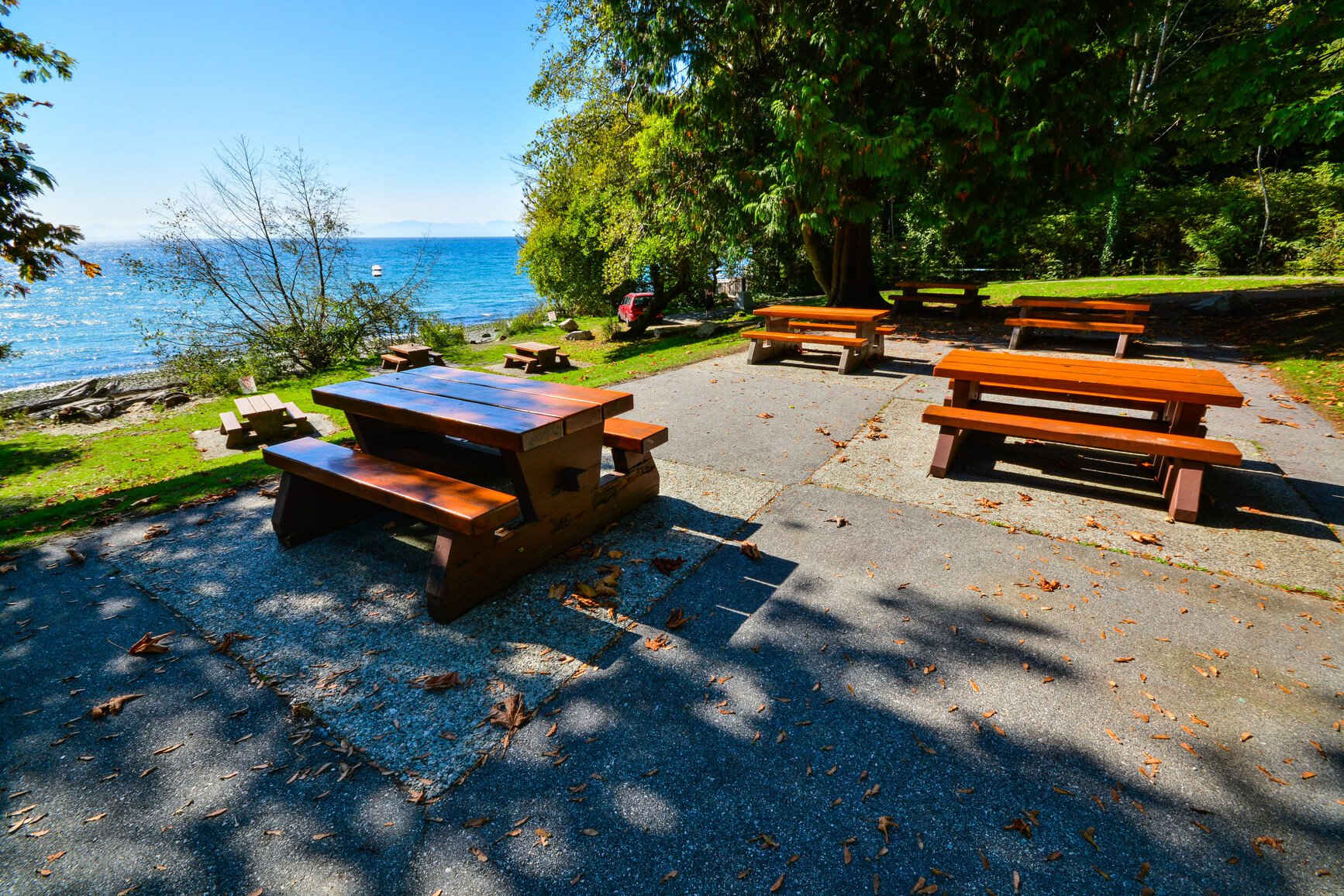
At low tide the cobblestone ocean beach at the picnic area is a good viewing area for sea stars, mussels and oysters or for watching whales, seals and ducks (in winter) offshore.
Advisories
Dates of operation
The park is open May 15, 2024 to September 15, 2024

- Facility type
- Frontcountry camping
- Number of campsites
- Vehicle-accessible sites: 21
- Double sites: 1
- Main operating season
- 2024: June 15 to September 15
- Winter season
- Not known
- Booking required
- 2024: June 15 to September 14
- Winter season note
- Gate is closed during the winter season. Visitors can walk in and camp if the gate is closed.

- Facility type
- Day-use area
- Main operating season
- 2024: May 1 to September 30
- 2025: May 1 to September 30
- Winter season
- No services
Camping
- Total number of campsites
- Total vehicle-accessible sites: 21
- Total double sites: 1

This park offers vehicle-accessible campsites on a first come, first served basis. Campsite reservations are not accepted.
There are 21 gravel sites, one of which is a double site. There are no pull-through sites. Extra vehicle parking is limited. There is a gate, but no gate house. You can walk in and camp if the gate is closed. If there is no staff available to direct you to a site, find a site that has no camping receipt or reservation tag. Park staff will be around to collect fees. There is a pay phone located at the park entrance. The nearest store is approximately 2 km away in Roberts Creek.
Generator use is only permitted between the hours of 9am to 11am, and from 6pm to 8pm. View the generator policy.
| Vehicle-accessible camping fee | $20 per party per night |
| BC seniors’ rate (day after Labour Day to June 14 only) | $10 per senior party per night |
For information on the BC seniors’ rate, see the camping fees page.
Facilities

Accessibility information is available for this park.


There is a sani-station available for a fee located at the park entrance.

Campfires are allowed and campfire rings are provided at each campsite. We encourage visitors to conserve wood and protect the environment by minimizing the use of fire and using campstoves instead.
Firewood can be purchased in the park or you may bring your own wood. Fees for firewood are set locally and may vary from park to park.
To preserve vegetation and ground cover, please don’t gather firewood from the area around your campsite or elsewhere in the park (this is a ticketable offence under the Park Act). Dead wood is an important habitat element for many plants and animals and it adds organic matter to the soil.
Campfire bans may be in place. Before lighting a fire, check for bans or restrictions on BC Wildfire Service and on local or Indigenous government websites.

This park has a day-use and picnic area, 1.5 km south of the campground, off Hwy 101 on Flume Road. There is a grassy area and a rocky beach area. There is a pit toilet. Campfires are not permitted.

This park has pit toilets, no flush toilets. There is one pit toilet in the day-use area and there are four pit toilets in the campground area.
Activities


There is ocean swimming available. The beach is rocky and the swimming area is not roped-off.
There are no lifeguards on duty in BC Parks.

There is tidal fishing available for salmon and cod.
Anyone fishing in British Columbia must have an appropriate licence. To learn more, see the fishing and hunting guide.

Pets and domestic animals must be on a leash at all times and are not allowed in beach areas or park buildings. You are responsible for their behaviour and must dispose of their excrement. Backcountry areas are not suitable for dogs or other pets due to the potential for problems with bears and other wildlife.

Bicycles must keep to roadways. Bicycle helmets are mandatory in British Columbia.
Please note that bicycles with electric assist motors (e-bikes) are not allowed on the trails within Roberts Creek Park. E-bikes are restricted to park roads and areas where motorized use is permitted. The only exception to this policy will be for authorized and identified trail maintenance bikes conducting work on behalf of BC Parks.
To get to the day-use area follow Highway 101 past Roberts Creek and turn left onto Flume Road. The campground is another 2 km past Flume road off of Highway 101.
Park and activity maps
- Park Map [PDF]
Learn more about this park
Park details
- Date established: November 21, 1947
- Size: 40 hectares
Park contact
This park proudly operated by:
Swens Contracting
info.scparks@gmail.com
604 885-3714
Nature and culture
History
In 1889, Will Roberts, an Englishman, settled at the mouth of Roberts Creek and brought his parents and two sisters out from England. They were joined by a brother and made a living logging, trapping, fishing, hunting and market gardening. They built and operated the first store and Post Office in Roberts Creek. There were, by this time, several families settled in the area. By 1912 tourists from Vancouver came on the Union Steamships which made daily runs all summer. The picnic area was established as a park in 1947 and the campground in 1954.
Cultural Heritage
This park is located within the traditional territories of the sh¡sh lh and Skwxwú7mesh Nations. Respect cultural and spiritual activities and avoid disruption of them. Do not collect or remove any natural objects or historical artifacts. If you find something of interest, leave it intact and notify BC Parks or the sh¡sh lh Nation: 604-885-2273.
Conservation
Douglas-fir, hemlock and cedar forests are found here.
Wildlife
At low tide the cobblestone ocean beach at the picnic area is a good viewing area for sea stars, mussels and oysters or for watching whales, seals and ducks (in winter) offshore, also home to deer and Douglas squirrels.
Reconciliation with Indigenous Peoples
BC Parks honours Indigenous Peoples’ connection to the land and respects the importance of their diverse teachings, traditions, and practices within these territories. This park webpage may not adequately represent the full history of this park and the connection of Indigenous Peoples to this land. We are working in partnership with Indigenous Peoples to update our websites so that they better reflect the history and cultures of these special places.